
How to Start a Small Herb Garden Indoors: A Beginner’s Guide
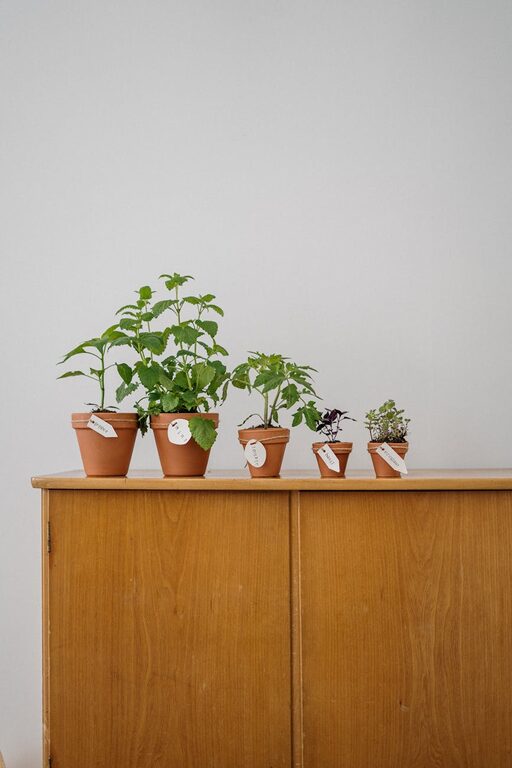
Starting a small herb garden indoors is a rewarding and practical way to bring fresh flavors into your kitchen while adding a touch of greenery to your living space. Whether you have a sunny windowsill or a compact countertop, growing herbs indoors is easier than you might think. This guide will walk you through everything you need to know to get your indoor herb garden up and running successfully.
Why Start an Indoor Herb Garden?
Growing herbs indoors not only saves money on fresh herbs but also ensures you have access to them all year round, regardless of the season. Plus, herbs are generally low-maintenance plants that add pleasant aromas and improve air quality. They can elevate your cooking and provide a relaxing hobby.
Choosing the Right Herbs for Indoor Gardening
Not all herbs thrive equally well indoors, but many common varieties do quite well with the right care.
Best Herbs for Indoor Gardens
– Basil: Loves sunlight and warmth; great for cooking.
– Mint: Easy to grow but can spread quickly, so keep it in its own pot.
– Parsley: Prefers indirect light and regular watering.
– Thyme: A hardy herb that needs lots of sun but little water.
– Chives: Require bright light and are perfect for fresh garnishing.
– Cilantro: Prefers cooler indoor temperatures and moderate light.
When starting, consider choosing 3–5 herbs to keep your garden manageable and suited to your space.
What You Need to Get Started
Containers
Choose pots with drainage holes to avoid waterlogging. Compact pots made of ceramic, plastic, or terracotta work well.
Potting Mix
Use a high-quality, well-draining potting mix designed for indoor plants. Avoid garden soil as it can be too heavy and may contain pests.
Light Source
Most herbs require 6–8 hours of bright, indirect sunlight daily. If natural light is limited, consider a grow light specifically designed for indoor plants.
Watering Tools
A small watering can or spray bottle helps control moisture without overwatering.
Optional Supplies
– Fertilizer formulated for herbs or vegetables
– Plant markers for labeling your herbs
– Trays to catch excess water
Step-By-Step Guide to Plant Your Indoor Herb Garden
1. Select Your Location
Identify a spot with sufficient light, like a south-facing window. Make sure it is protected from cold drafts or heat sources that could stress the plants.
2. Prepare the Containers
Fill each pot with potting mix, leaving about an inch of space at the top.
3. Plant the Seeds or Seedlings
– For seeds: Follow seed packet instructions regarding planting depth.
– For seedlings: Gently loosen the roots and plant at the same depth as in the nursery pot.
Water lightly after planting to settle the soil.
4. Provide Adequate Light
Place your pots where they can receive natural sunlight or set up a grow light about 6–12 inches above the herbs for 12–16 hours a day.
5. Water Carefully
Most herbs prefer slightly moist soil but not soggy. Check the soil moisture by sticking your finger about an inch deep into the soil. Water when the top layer feels dry.
6. Feed Your Herbs
Use a diluted, balanced liquid fertilizer every 4–6 weeks to encourage healthy growth.
Maintaining Your Indoor Herb Garden
Pruning and Harvesting
Regular harvesting encourages bushier growth. Use clean scissors to snip leaves and avoid removing more than one-third of the plant at a time.
Monitoring for Pests
Keep an eye out for common pests like aphids or spider mites. Wipe down leaves and consider natural insecticidal soap if needed.
Managing Humidity and Airflow
Herbs prefer moderate humidity. Avoid overly dry or damp conditions. Good airflow around the plants also helps prevent mold or fungal issues.
Troubleshooting Common Issues
| Problem | Cause | Solution |
|———————–|—————————|———————————-|
| Leggy, thin plants | Insufficient light | Increase light exposure or add grow light |
| Yellow or dropping leaves | Overwatering | Let soil dry out between waterings |
| Slow growth | Nutrient deficiency or poor soil | Feed with balanced fertilizer and ensure proper soil |
| Pest infestation | Poor airflow or dirty leaves | Improve ventilation and treat with safe insecticide |
Tips for Success
– Rotate your pots every few days to ensure even light exposure.
– Use separate pots for herbs that spread rapidly, like mint.
– Keep a small notebook to track watering, light, and growth progress.
– Experiment with companion planting by grouping herbs that thrive together.
Conclusion
Starting a small herb garden indoors is an achievable and enjoyable project for anyone, even if you’re new to gardening. With the right location, good-quality soil, light, and attention, you can enjoy fresh herbs year-round right from your home. Not only will you save money and reduce waste, but you’ll also add a dynamic and fragrant element to your living space.
Happy gardening!