
Quick Ideas to Brighten a Dark Room
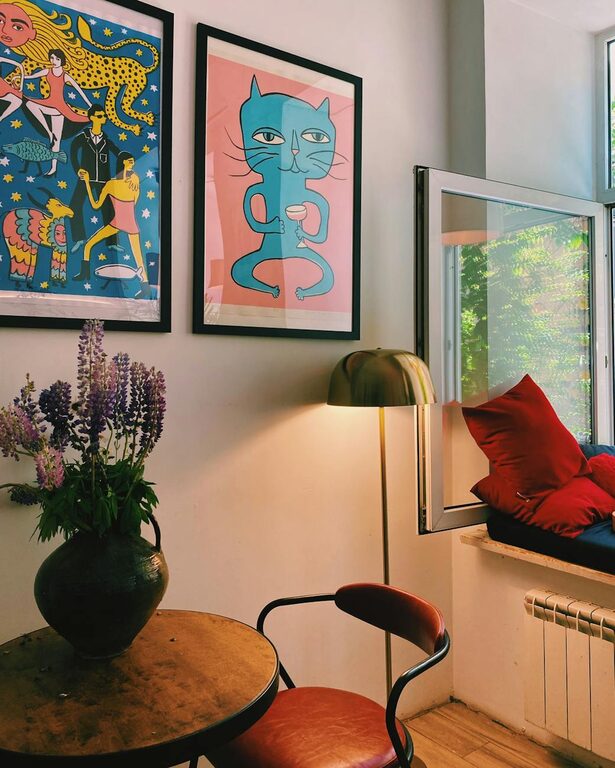
When a room feels dark and gloomy, it can affect the mood and functionality of the space. Whether your room lacks natural light or has small windows, there are many quick and affordable ways to brighten it up. You don’t need a major renovation to create a lighter, more inviting atmosphere. With a few smart changes and creative ideas, you can transform even the dimmest corners into a cheerful retreat.
Why a Bright Room Matters
Natural and artificial lighting can greatly influence how a room feels. Bright spaces tend to be more welcoming and energizing, while darker rooms may feel cramped or depressing. Proper lighting also helps with tasks like reading, working, or cooking, making your daily life easier and more enjoyable.
Assess the Lighting Situation
Start by observing how much natural light your room gets throughout the day. Note which directions windows face and any obstructions like trees or buildings. Also, consider your room’s paint colors, furniture placement, and artificial lighting.
Step 1: Maximize Natural Light
#### 1. Use Light Window Treatments
Opt for sheer curtains or light-colored blinds that let sunlight filter in while maintaining privacy. Heavy drapes block light and make rooms feel darker. Keep window coverings open during the day to let in as much sun as possible.
#### 2. Clean Windows Regularly
Dirt and grime on windows can reduce the amount of light entering your room. A quick wash will improve brightness instantly.
#### 3. Add Mirrors Strategically
Mirrors reflect natural light and create the illusion of more space. Place a large mirror opposite or near a window to bounce sunlight deeper into the room.
Choose the Right Colors
Colors have a big impact on light reflection and overall brightness.
1. Light and Neutral Walls
Paint walls in light shades like white, cream, pale gray, or pastel colors. These hues reflect more light than dark or bold colors, making the room feel airier.
2. Brighten with Accents
Incorporate bright accents through cushions, rugs, or artwork to add pops of light and color without overwhelming the eye.
Improve Artificial Lighting
Natural light may not be enough, especially in rooms with limited windows or during winter months. Proper artificial lighting can transform a dark space.
1. Layer Your Lighting
Use a mix of ambient, task, and accent lighting:
– Ambient lighting: Overhead lights or ceiling fixtures provide general illumination.
– Task lighting: Desk lamps, reading lights, or under-cabinet lights help with specific activities.
– Accent lighting: Wall sconces or LED strips highlight certain areas or features.
2. Use Bright, Warm Bulbs
Choose LED bulbs that emit bright yet warm light (around 2700K to 3000K color temperature). They feel cozy and natural without being harsh.
3. Add Floor and Table Lamps
Place lamps in corners or darker spots to increase light levels evenly throughout the room.
Rearrange Furniture for Openness
Sometimes, crowded or bulky furniture blocks light flow.
1. Avoid Blocking Windows
Keep heavy furniture away from windows to avoid shading. Opt for low-profile pieces near natural light sources.
2. Create Open Pathways
Allow easy movement by spacing out furniture, which helps light spread across the whole room.
Use Reflective and Light-Enhancing Materials
Materials that reflect light can brighten your space subtly.
1. Glossy or Metallic Finishes
Consider furniture or accessories with glass, chrome, or polished metal details that bounce light around.
2. Light-Colored Flooring
If possible, choose light wood, tiles, or rugs that reflect light closer to eye level.
Add Greenery and Nature Elements
Plants and natural decor bring freshness and life to any room. Plants near windows will thrive and benefit from any available light, while bright pots and vases add color and texture.
Small Details That Make a Difference
– Use transparent furniture: Acrylic or glass tables don’t block light or sight lines.
– Declutter: A tidy space feels more spacious and welcoming.
– Consider skylights or solar tubes: If you want a longer-term solution and it fits your budget, these add natural light from above.
In Summary
Transforming a dark room doesn’t require big changes. With thoughtful tweaks like maximizing natural light, choosing light colors, layering your lighting, and using reflective surfaces, you can make any space feel brighter and more cheerful. Remember, bright rooms improve mood and usability, making your home a happier place to be.
Try some of these ideas today and enjoy the light!